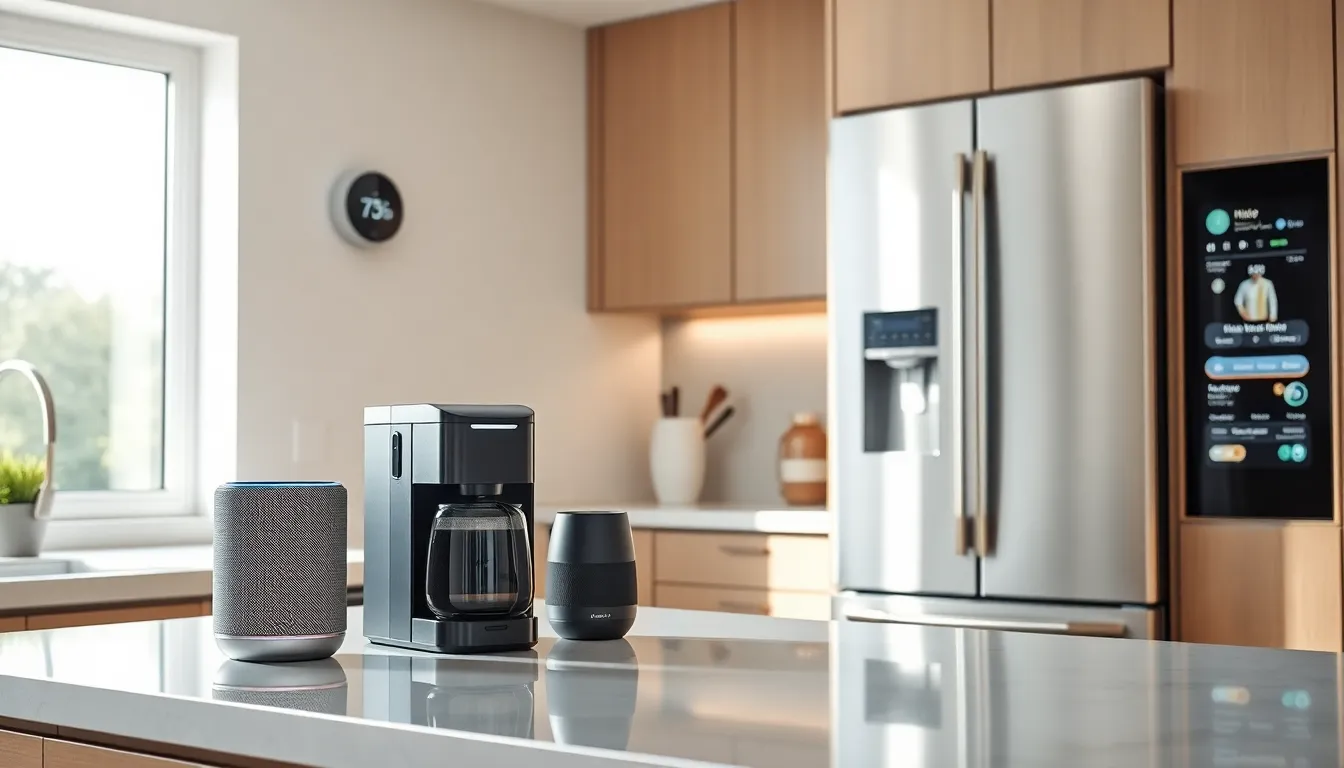
Imagine waking up to an alarm that not only rouses you from your slumber but also brews your morning coffee, adjusts the thermostat, and prepares your playlist for those groggy humdrum moments. Welcome to the world of smart gadgets, they’re cleverer than your average coffee machine and a tad more reliable than your buddy who always forgets the snacks. Not just a trend, these intelligent devices are transforming our homes and our lives in remarkable ways. So, what are smart gadgets really, and why should we care? Let’s immerse.
What Are Smart Gadgets?
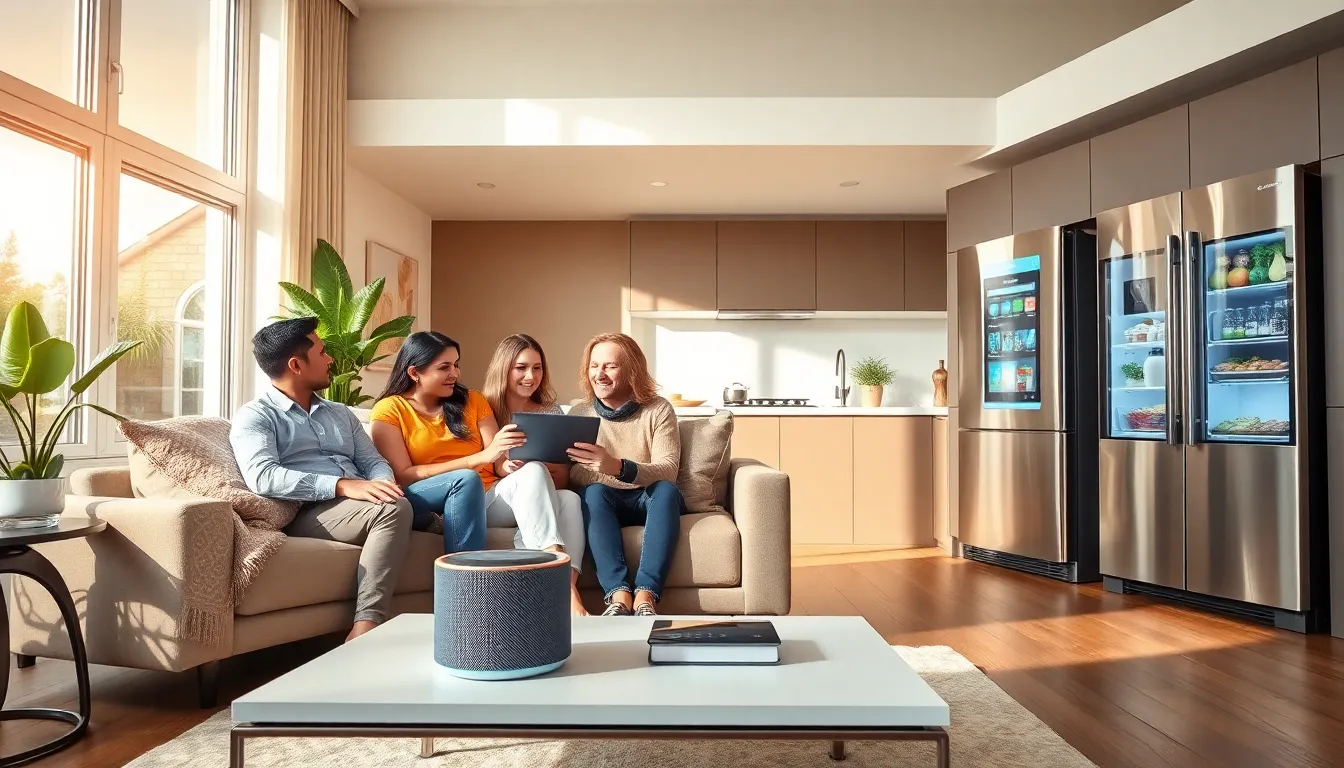
Smart gadgets are devices that use technology to enhance their functionality and connectivity. Think of them as the brains of your household, equipped with sensors, software, and internet connectivity to perform beyond traditional expectations. These gadgets can communicate with each other and often with their users, providing feedback and assistance in real-time. From smart speakers that can tell you the weather to intelligent refrigerators that can manage your grocery list, these devices are designed to make your daily life easier.
The Rise of Smart Gadgets
The last decade has witnessed an explosion in the popularity of smart gadgets. With the advent of the Internet of Things (IoT), technology has surged forth in ways that were once reserved for science fiction. Consumers crave convenience, efficiency, and connectivity, traits perfectly embodied by these clever devices.
Companies like Apple and Google have entered the fray, pushing innovations that encourage a seamless integration into our routines. In 2020 alone, the global smart home market was valued at approximately $80 billion, and experts expect it to surpass $150 billion by 2024. It seems that the demand for smart technology isn’t just a passing phase: it’s becoming the norm.
Types of Smart Gadgets
The world of smart gadgets is as diverse as it is fascinating. Here are some main categories:
Smart Home Devices
These include smart thermostats, security cameras, and smart lighting systems. They offer automation options, energy efficiency, and enhanced security.
Wearable Tech
Fitness trackers and smartwatches are prime examples. They monitor health metrics like heart rate and steps, providing valuable insights for maintaining a healthy lifestyle.
Smart Appliances
Think refrigerators that can automatically adjust their temperatures or ovens that can be preheated from your sofa. These appliances are often designed to save time and effort in the kitchen.
Smart Assistants
Devices such as Amazon Echo and Google Home have become household staples. These voice-activated gadgets control other smart devices, play music, and even provide news updates at your request.
Benefits of Using Smart Gadgets
Adopting smart gadgets in daily life offers numerous advantages:
Convenience
Imagine managing your home’s climate with just your voice or a tap on your smartphone. Convenience is perhaps the most immediate benefit that comes to mind.
Energy Efficiency
Many smart gadgets are engineered to optimize energy usage, such as programmable thermostats that adjust temperatures based on occupancy, potentially lowering energy bills significantly.
Increased Security
Smart security cameras and doorbells provide peace of mind. Homeowners can monitor their property remotely, offering enhanced safety notifications and live feeds.
Better Connectivity
Smart gadgets foster connected ecosystems. Assemblies of devices can work harmoniously, improving overall user experience.
Challenges and Considerations
While smart gadgets provide numerous benefits, there are a few challenges to consider:
Privacy Concerns
Many smart devices collect personal information, raising questions about privacy and data security. Users must weigh the convenience against the potential implications of data breaches.
Initial Cost
Smart gadgets often come with a higher price tag than their traditional counterparts. Budget-conscious individuals may find it difficult to make the switch upfront.
Compatibility Issues
With so many different brands and ecosystems, ensuring compatibility between various devices can sometimes be a hassle. Users might find themselves facing connection issues between gadgets that don’t integrate smoothly.
Future Trends in Smart Gadgets
As technology evolves, so will smart gadgets. The future promises even more exciting innovations:
Advanced AI Integration
Expect intelligent systems capable of learning user preferences and habits for a highly personalized experience. Anticipate smarter decision-making from gadgets that can predict our needs.
Sustainable Solutions
Eco-friendly smart gadgets will thrive as awareness of climate change grows. Energy-efficient appliances and smart home systems will play a significant role in reducing carbon footprints.
Enhanced Interconnectivity
The future points to improved communication between devices across varied platforms. Seamless integration will become commonplace, allowing everything from home lighting to entertainment systems to work together flawlessly.