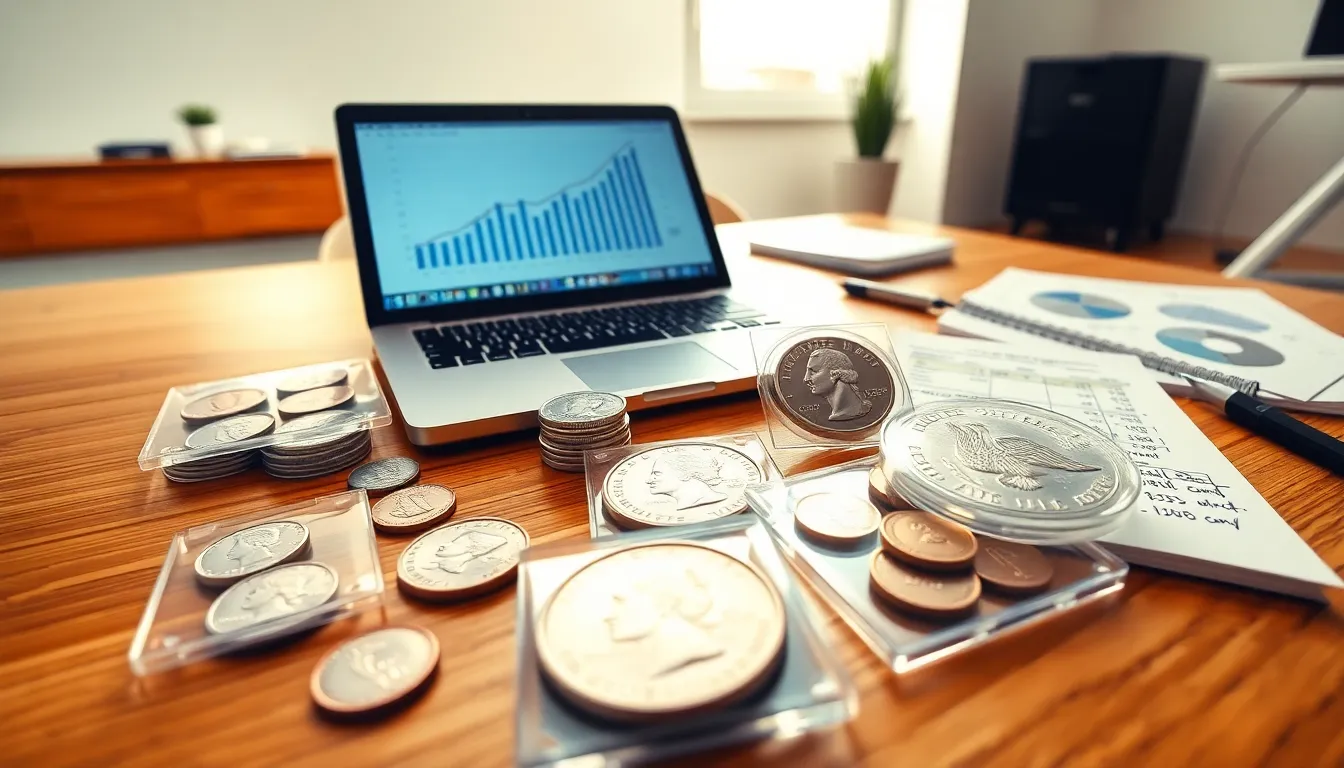
When you think of coin collecting, images of dusty libraries and grandmas sorting through old pennies might dance through your mind, but hold on to your wallets. Modern coins can pack a surprising punch in value, and they’re not just for numismatics. In fact, some of these shiny treasures might be worth more than your last paycheck. Whether you’re curating a collection or just rummaging through that old change jar, understanding today’s coinage can turn a casual hobby into a lucrative venture. Ready to jump into the intriguing realm of modern coins worth money? Let’s roll.
Understanding Modern Coins
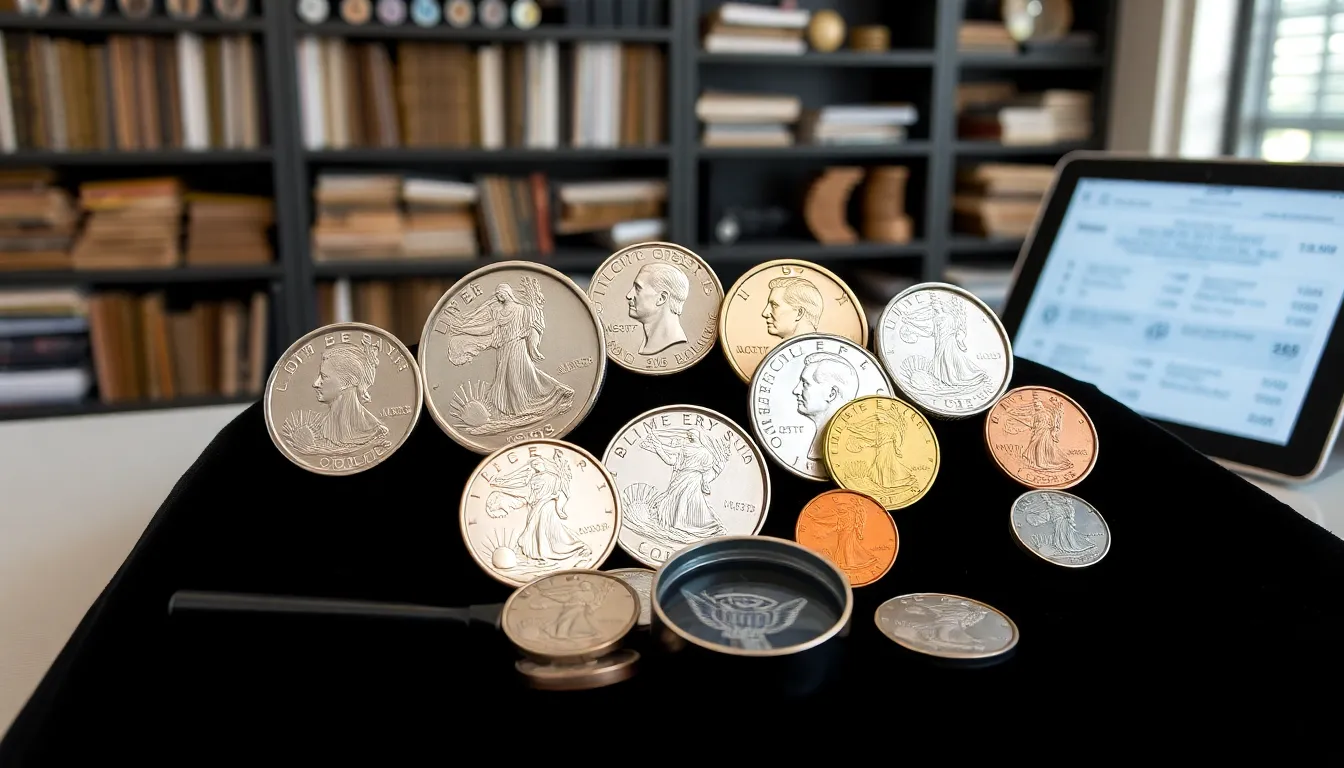
Modern coins, typically minted from the late 20th century to today, include a variety of denominations, metals, and designs. What differentiates these contemporary creations from their ancient counterparts? It all boils down to rarity, condition, and demand. Coins in circulation today are made from copper, nickel, and even zinc, while older coins often featured silver or gold. Most modern coins are mass-produced, making them relatively common. But, certain editions can be quite valuable. This leads us to the importance of understanding both the historical context and unique characteristics that drive value in these coins.
For collectors, identifying limited edition releases or error coins can make the difference between pocket change and a significant find. It’s worth noting that while many coins appear similar, subtle design variations or low mintage numbers can dramatically impact their worth.
Factors That Affect Coin Value
Several factors come into play when determining the value of modern coins – and no, it’s not just about how shiny they are. Here are the key influencers:
- Rarity: The fewer coins that are minted, the more valuable they generally become. Limited editions or special releases can fetch hefty amounts at auction.
- Condition (Grading): Coins are assessed based on their condition, often graded on a scale from 1 to 70. Higher grades, like MS 65 or PF 70, can significantly increase value.
- Demand: It’s a classic case of supply and demand. If collectors are clamoring for a particular series or coin type, prices will soar.
- Historical Significance: Coins tied to events or notable figures often see a spike in interest and value.
- Market Trends: Economic factors and collector trends directly affect market values. Keeping an eye on what’s hot in numismatics can guide your collection choices.
Popular Modern Coins That Are Worth Collecting
So, which modern coins should collectors keep an eye out for? Here are a few gems:
- State Quarters: Introduced in 1999, some of the less common quarters, particularly those from territories like Puerto Rico or the District of Columbia, can be worth a pretty penny. This series has sparked immense collecting fervor.
- Presidential Dollars: Although they were met with lukewarm reception, some earlier releases with specific mintages can be valuable.
- American Silver Eagles: Widely popular, these coins are not only beautiful but also carry intrinsic silver value. Certain years and proofs are particularly sought after.
- First Strikes and Early Releases: Coins labeled as First Strikes or Early Releases from certified grading services often command higher prices due to their limited availability shortly after minting.
- Error Coins: Coins with minting mistakes can be worth significantly more than standard coins. Look for things like double strikes or mismatched edges.
Investment Potential of Modern Coins
While many people view coin collecting as a hobby, it also offers substantial investment potential. Modern coins, especially those with rarity and demand, can appreciate over time, sometimes significantly. Investing in coins can be less volatile than other investment channels like stocks or real estate. But, it’s essential to approach it with care.
Choose coins wisely, focusing on quality and desirability. Do your research or consult market experts before diving into larger purchases. Remember, the key here is to enjoy the collecting experience while being aware that some coins may take years to realize their true value. Coin investment should be a long-term play.
How to Assess the Value of Your Coins
Assessing the value of your coins may seem daunting, but it doesn’t have to be. Here’s a simple step-by-step guide:
- Research: Use reputable resources like coin price guides, online auction sites, or databases to see what similar coins sell for.
- Professional Grading: Consider having high-value coins evaluated by professional grading services like NGC or PCGS. Their grades can add credibility to your valuation.
- Market Trends: Stay updated on coin market trends through online forums or collector communities. They can provide vital insights into what’s currently in demand.
- Attend Coin Shows: Local coin shows often feature experts who can evaluate your coins on-site.
- Document Everything: Keep track of any appraisals or purchases: this will help if you ever decide to sell your collection.
Where to Buy and Sell Modern Coins
Once you’re armed with knowledge about your coins, it’s time to decide where to buy and sell them:
- Coin Dealers: Local and online dealers often have networks and can help locate rare coins. They also usually provide a guarantee of authenticity.
- Auction Houses: For coins of significant value, auction houses can attract serious buyers with competitive bidding.
- Coin Shows: These events are the perfect venue for buying and selling coins while interacting with fellow collectors.
- Online Marketplaces: Websites like eBay or specialized numismatic sites can be valuable for both buyers and sellers seeking a broader audience.