
Ever wonder how some people seem to glide through life without a financial care in the world, while others feel as if they’re standing knee-deep in a money swamp? The secret often lies in effective budgeting activities. The good news? Budgeting isn’t just for those who pinch pennies in their old, worn leather wallets. It’s a lifeline, a roadmap, and often a hilarious journey in financial planning that everyone can benefit from. Here, we dive deep into budgeting activities, their significance, and how they can transform your financial landscape into a thriving one. Get ready to take control of your money with a mix of savvy strategies and maybe a giggle or two along the way.
Understanding Budgeting Activities
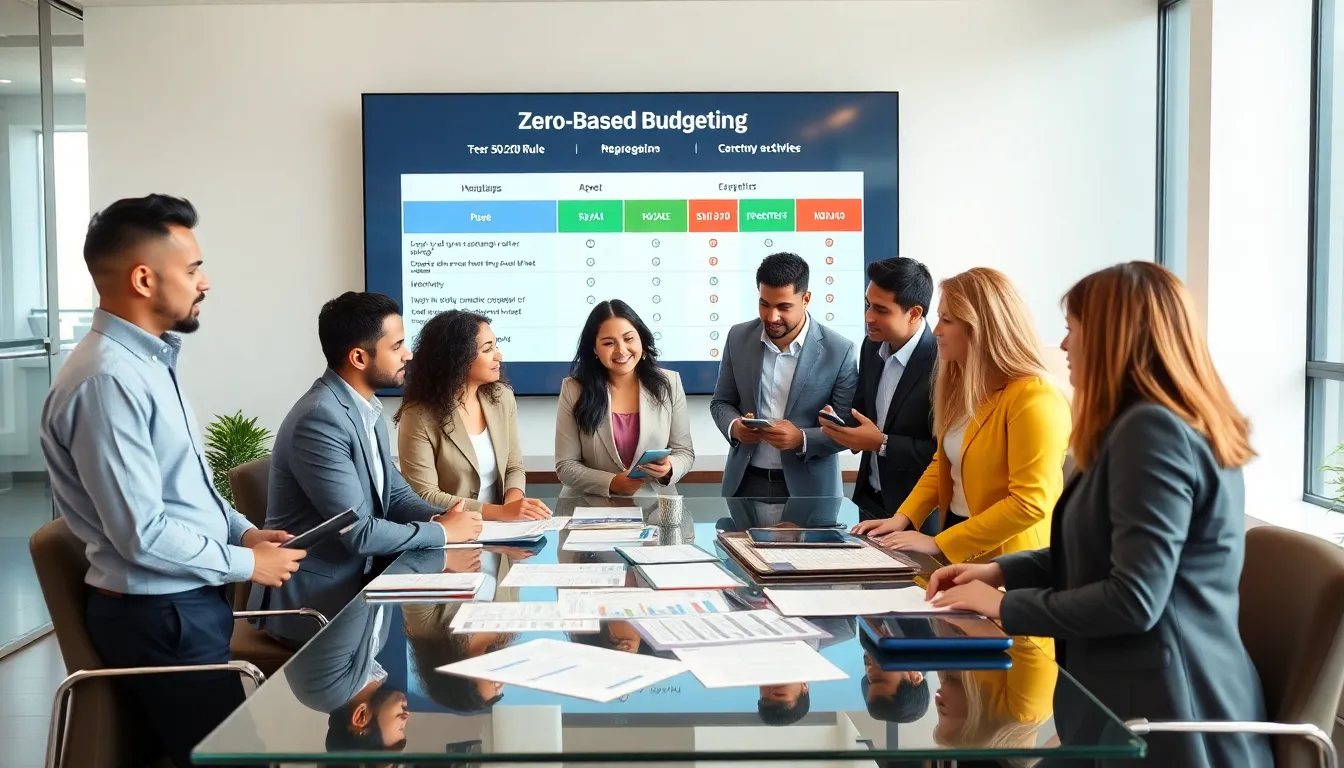
The Importance of Budgeting
Budgeting is like that trusty compass guiding a ship through stormy weather. It steers individuals, families, and even businesses straight through the choppy seas of expenditures and income. Without it, it’s all too easy to veer off course and head into financial turmoil. Budgeting activities promote discipline, allowing one to prioritize spending, save effectively, and prepare for unforeseen expenses.
Types of Budgeting Activities
Diving deeper into the world of budgeting, we discover various activities:
- Zero-Based Budgeting: In this method, every dollar is allocated to a specific purpose, leaving zero at the end. It’s like creating a financial checklist for each month.
- 50/30/20 Rule: This simple structure divides income into needs, wants, and savings. A pleasing approach for those who find complex strategies daunting.
- Envelope System: Ever heard of cash stuffed in envelopes? This old-school technique has some modern flair. Assign an envelope for each spending category, and it’s impossible to overspend.
These budgeting activities cater to different financial needs, helping people strategize effectively.
Setting Financial Goals
Identifying Income and Expenses
The first step in any budgeting activity is to clearly define what funds are coming in and what is flying out of the wallet. A self-assessment is necessary. She can sit down with a cup of coffee and a notepad, or a sleek budgeting app, to track down sources of income, like salaries, freelance gigs, or investments.
On the flip side, listing fixed expenses, like rent or mortgage payments, utilities, and insurance, needs attention. These are usually pretty stable. Now, variable expenses can shift each month, encompassing groceries, dining out, and possibly that odd impulse buy of yet another pair of shoes (guilty as charged).
Bringing clarity to income streams and expenses simplifies the next steps in budgeting activities.
Creating a Budget Plan
Monitoring and Adjusting Your Budget
Creating a budget plan is akin to launching a new diet. You need a detailed menu. By setting realistic financial expectations, individuals can establish a spending plan that reflects their lifestyle and goals.
Encouraging him to map out his necessities versus indulgences can lead to healthier financial choices. This plan is not stagnant, but. Weekly or monthly check-ins allow for adjustments. Did she underestimate her grocery bill? Or perhaps she winded up saving more than anticipated? Regularly revisiting the budget ensures that it remains relevant and responsive to life changes.
Tools and Resources for Budgeting
Benefits of Regular Budgeting Activities
Today’s digital world offers an abundance of tools for budgeting activities. Apps like Mint, YNAB (You Need A Budget), and even spreadsheets make financial management more accessible. These tools can automate processes, remind users of deadlines, and help visualize spending trends through graphs.
Engaging in regular budgeting brings several benefits. It increases awareness about personal spending patterns, encourages better saving habits, and reduces stress linked to financial chaos. Studies even show that those who carefully track their spending often report greater satisfaction in their financial standing.
Common Budgeting Challenges and Solutions
It’s not all sunshine and rainbows in the world of budgeting activities. Common hurdles include unexpected expenses, fluctuating income, and sometimes, plain old procrastination. But fret not.
- Unexpected Expenses: Set aside an emergency fund for surprises. This way, she can handle mishaps without derailing the budget.
- Fluctuating Income: Create a contingency plan. Build a budget based on the lowest expected income to ensure stability.
- Procrastination: Automate payments and set reminders to stay on top of the budget.
These solutions transform challenges into manageable tasks.