
In the wild west of finance, cryptocurrency’s the shiny new sheriff in town, and it’s been making quite a ruckus. From Bitcoin’s meteoric rise to Ethereum’s innovative smart contracts, digital currencies are no longer just for tech geeks and conspiracy theorists. They’re transforming how we think about money, investments, and even our morning coffee runs—who knew you could buy a latte with a digital coin?
Overview of Cryptocurrency Progress
Cryptocurrency has evolved significantly since the emergence of Bitcoin in 2009. This evolution includes a growing acceptance among merchants, with over 15,000 businesses now accepting digital currencies for everyday transactions. Innovations like smart contracts from Ethereum have enabled more complex financial operations beyond simple transactions.
Investment in cryptocurrency has surged, with the global market cap exceeding $1 trillion as of 2023. Investors are increasingly diversifying their portfolios by including cryptocurrencies, attracted by the potential for high returns. Reports indicate that Bitcoin consistently ranks as the most valuable cryptocurrency, accounting for approximately 40% of the total market cap.
In terms of regulation, numerous countries are developing frameworks to address the unique challenges posed by cryptocurrencies. The United States has seen substantial discussions around regulatory measures, aiming to protect investors without stifling innovation. In Europe, the Markets in Crypto-Assets (MiCA) regulation targets providing legal clarity for crypto firms.
Exchanges have made significant strides in security measures to protect user assets. Features like two-factor authentication and cold storage have become standard practices. Furthermore, decentralized finance (DeFi) platforms have gained attention for offering users alternatives to traditional financial systems.
Community engagement has become a pivotal element in the cryptocurrency ecosystem. Various forums, social media platforms, and events allow enthusiasts to share ideas and innovations. Education around cryptocurrencies has improved, with more resources available to facilitate understanding among new users.
As the landscape shifts, sustainability concerns have emerged regarding the energy consumption of mining operations. Solutions like proof of stake and other eco-friendly technologies are being explored to reduce the carbon footprint associated with cryptocurrency transactions. The ongoing progress illustrates that cryptocurrency is not merely a passing trend but a dynamic financial space shaping the future of money.
Historical Context
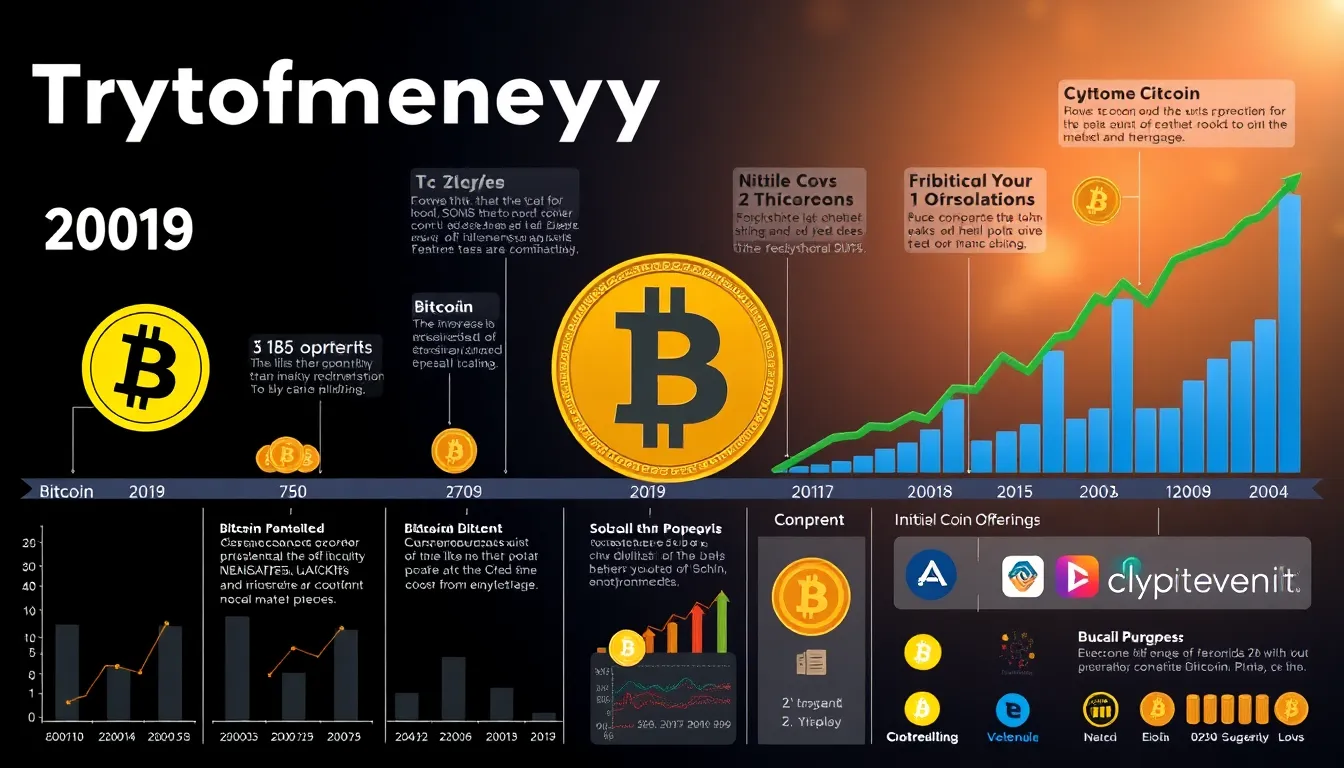
Cryptocurrency has undergone transformative changes since its inception, shaping today’s financial landscape. These early developments and significant milestones highlight its progression.
Early Developments
Bitcoin emerged in 2009, introduced by an anonymous creator named Satoshi Nakamoto. This groundbreaking protocol initiated the concept of blockchain technology, laying the foundation for decentralized finance. Early adopters utilized Bitcoin for niche transactions, while skepticism surrounded its viability as a currency. In 2011, alternative cryptocurrencies like Litecoin launched, offering faster transaction times and various functionalities. Gradually, interest expanded beyond enthusiasts, attracting attention from tech-savvy investors and innovators.
Significant Milestones
2013 marked a pivotal year when Bitcoin’s value surpassed $1,000 for the first time. Regulatory scrutiny began to increase as governments assessed how to manage this unprecedented technology. The emergence of Ethereum in 2015 added smart contract capabilities, allowing developers to build decentralized applications. By 2017, Initial Coin Offerings (ICOs) gained traction, raising billions in funding. The market reached a saturation point, with over 1,500 cryptocurrencies available by 2020. By 2023, the global cryptocurrency market cap exceeded $1 trillion, reflecting mainstream acceptance and diversified investment opportunities.
Current State of Cryptocurrency
Cryptocurrency is rapidly transforming the global financial landscape. It reflects both increasing market activity and a shift in societal perception.
Market Trends
Cryptocurrency market cap exceeded $1 trillion in 2023, showcasing strong investor interest. Bitcoin remains the dominant player, holding approximately 40% of the market. Ethereum follows closely, with its innovative smart contract features attracting developers and businesses alike. Additionally, altcoins are gaining traction, driven by unique use cases and technology advancements. This diversification contributes to a vibrant ecosystem, enhancing opportunities for investors. Institutional investment, particularly from hedge funds and corporations, signals increased confidence and validation of cryptocurrencies as legitimate assets.
Adoption Rates
Adoption has grown significantly, with over 15,000 businesses accepting cryptocurrencies for transactions. Notably, major retailers and services now integrate digital payment options, embracing this trend. Surveys indicate that nearly 40% of Americans are familiar with cryptocurrencies, a substantial increase from previous years. This awareness contributes to greater utilization in everyday purchases, like coffee or online shopping. Many financial institutions are also exploring crypto products, further normalizing digital currencies. Education and community engagement efforts are driving these adoption rates upward, creating a more informed user base.
Technological Advancements
Technological advancements continue to shape the cryptocurrency landscape, driving innovation and enhancing user experiences.
Blockchain Innovations
Blockchain technology serves as the backbone of cryptocurrency. Innovations in blockchain are propelling scalability and sustainability. Layer 2 solutions like the Lightning Network improve Bitcoin’s transaction speed while reducing fees. Ethereum’s transition to proof of stake streamlines energy consumption, addressing environmental concerns. Moreover, interoperability between blockchains allows for seamless transfer of assets across different platforms. These advancements are making decentralized applications more accessible and functional. The emerging trend of decentralized finance, often referred to as DeFi, is also expanding opportunities for users. By harnessing smart contracts, developers are creating complex financial products without intermediaries.
Security Enhancements
Security measures are becoming increasingly sophisticated. Advanced cryptographic techniques are essential in protecting user transactions and assets. Multi-signature wallets require multiple approvals for transactions, enhancing security. Hardware wallets continue to be a popular choice, storing private keys offline and minimizing risks from online threats. Additionally, regular updates to blockchain protocols help safeguard against vulnerabilities. Monitoring and analytics tools enable users to detect suspicious activities in real time. As security protocols evolve, trust within the cryptocurrency community strengthens. These enhancements ensure safer transactions and bolster confidence in using digital currencies.
Regulatory Landscape
Regulatory activities are shaping the cryptocurrency environment significantly. Countries across the globe are evaluating their approaches to digital currencies.
Government Interventions
Governments are implementing measures to streamline cryptocurrency operations. In the U.S., the Securities and Exchange Commission (SEC) is focusing on determining which digital assets qualify as securities. European regulators are adopting the Markets in Crypto-Assets Regulation (MiCAR), aiming to create a unified framework for the EU. These interventions seek to safeguard investors while promoting innovation. Ensuring consumer protection has become a priority as more individuals engage with cryptocurrencies.
Legal Frameworks
Legal frameworks are emerging to provide structure in the cryptocurrency sector. Central banks are exploring digital currencies, exemplified by China’s digital yuan, which tests the viability of state-backed cryptocurrencies. The regulatory landscape also includes anti-money laundering (AML) and know-your-customer (KYC) rules, which promote transparency. Various jurisdictions are tailoring their regulations to enhance legal clarity for businesses. These frameworks help mitigate risks and foster trust, encouraging wider adoption and acceptance of cryptocurrencies.
Future Outlook
Cryptocurrency’s future presents both exciting opportunities and challenges as it continues to evolve. Emerging technologies shape this landscape significantly.
Emerging Technologies
Blockchain advancements drive the next wave of cryptocurrency innovation. Layer 2 solutions like the Lightning Network enhance transaction speed and reduce costs. Ethereum’s transition to proof of stake improves energy efficiency while facilitating more sustainable crypto practices. Moreover, decentralized finance introduces accessible financial services for a broader audience. Interoperability between blockchains further simplifies asset exchanges, allowing for seamless transactions. New cryptographic methods solidify security, ensuring safer user experiences. Increased adoption of smart contracts automates and streamlines processes, reshaping industries. Altogether, these technologies foster a robust ecosystem poised for expansion.
Potential Challenges
Regulatory uncertainties present significant challenges for cryptocurrency’s growth. Government interventions may alter the operating environment, impacting investor confidence. Organizations face difficulty navigating diverse regulations across jurisdictions. Volatility in cryptocurrency markets remains a concern for long-term investors. Security breaches also pose risks; the evolving tactics of cybercriminals make protection essential. Additional consumer protection measures may complicate compliance for emerging firms, limiting innovation. Addressing these challenges effectively is crucial for maintaining trust and stability in the cryptocurrency market. As the sector matures, balancing regulation and innovation becomes vital for future success.
The rapid evolution of cryptocurrency marks a pivotal transformation in the financial landscape. With increasing mainstream acceptance and significant institutional investment, digital currencies are reshaping how individuals and businesses engage with money.
Technological advancements and regulatory developments are playing crucial roles in this ongoing progress. As the sector continues to mature, the balance between innovation and regulation will determine its stability and growth.
As cryptocurrency becomes more integrated into daily life, its influence will only expand. The future holds promise as new technologies emerge and societal perceptions continue to evolve, ensuring that cryptocurrency remains at the forefront of financial discourse.